
Growing local economies, empowering communities, revitalizing downtowns, developing entrepreneurship, building leadership, and enhancing nonprofits -- you can achieve all these benefits and more with a comprehensive and strategic revitalization plan. Chronicling the struggle of local revitalization as organizers move from trial and error to effective revitalization strategies, Promoting Sustainable Local and Community Economic Development documents the current transformation in community revitalization from market-based incentives to mixed strategies of public sector learning, partnerships, and community capacity. Knowledge about the field and what works is growing, but not always publicized and readily accessible. This reference surveys the breadth of innovative place and people development practices, presenting lessons and examples at a general and textured level, putting information about innovative ways to change, influence, and improve the economic development process within easy reach. Roland Anglin brings his unique vantage point to the topic; his experience as a practitioner and applied academic allowed him to see how community economic development practices grow over time in size, scale, and impact. He highlights the difference between what is now termed community economic development (CED) and traditional local economic development practice, specifically the priority placed on community involvement in economic development partnerships between the private sector and government. The book includes case studies that demonstrate what has and has not worked in revitalization efforts, as well as how active public and private sector partnerships have been the most effective in revitalization efforts. A Resource Guide is included at the end of the book for readers who may want a more expansive understanding of community economic development.Growing local economies, empowering communities, revitalizing downtowns, developing entrepreneurship, building leadership, and enhancing nonprofits -- you can achieve all these benefits and more with a comprehensive and strategic revitalization plan. Chronicling the struggle of local revitalization as organizers move from trial and error to effective revitalization strategies, Promoting Sustainable Local and Community Economic Development documents the current transformation in community revitalization from market-based incentives to mixed strategies of public sector learning, partnerships, and community capacity. Knowledge about the field and what works is growing, but not always publicized and readily accessible. This reference surveys the breadth of innovative place and people development practices, presenting lessons and examples at a general and textured level, putting information about innovative ways to change, influence, and improve the economic development process within easy reach. Roland Anglin brings his unique vantage point to the topic; his experience as a practitioner and applied academic allowed him to see how community economic development practices grow over time in size, scale, and impact. He highlights the difference between what is now termed community economic development (CED) and traditional local economic development practice, specifically the priority placed on community involvement in economic development partnerships between the private sector and government. The book includes case studies that demonstrate what has and has not worked in revitalization efforts, as well as how active public and private sector partnerships have been the most effective in revitalization efforts. A Resource Guide is included at the end of the book for readers who may want a more expansive understanding of community economic development.Growing local economies, empowering communities, revitalizing downtowns, developing entrepreneurship, building leadership, and enhancing nonprofits -- you can achieve all these benefits and more with a comprehensive and strategic revitalization plan. Chronicling the struggle of local revitalization as organizers move from trial and error to effective revitalization strategies, Promoting Sustainable Local and Community Economic Development documents the current transformation in community revitalization from market-based incentives to mixed strategies of public sector learning, partnerships, and community capacity. Knowledge about the field and what works is growing, but not always publicized and readily accessible. This reference surveys the breadth of innovative place and people development practices, presenting lessons and examples at a general and textured level, putting information about innovative ways to change, influence, and improve the economic development process within easy reach. Roland Anglin brings his unique vantage point to the topic; his experience as a practitioner and applied academic allowed him to see how community economic development practices grow over time in size, scale, and impact. He highlights the difference between what is now termed community economic development (CED) and traditional local economic development practice, specifically the priority placed on community involvement in economic development partnerships between the private sector and government. The book includes case studies that demonstrate what has and has not worked in revitalization efforts, as well as how active public and private sector partnerships have been the most effective in revitalization efforts. A Resource Guide is included at the end of the book for readers who may want a more expansive understanding of community economic development.Growing local economies, empowering communities, revitalizing downtowns, developing entrepreneurship, building leadership, and enhancing nonprofits -- you can achieve all these benefits and more with a comprehensive and strategic revitalization plan. Chronicling the struggle of local revitalization as organizers move from trial and error to effective revitalization strategies, Promoting Sustainable Local and Community Economic Development documents the current transformation in community revitalization from market-based incentives to mixed strategies of public sector learning, partnerships, and community capacity. Knowledge about the field and what works is growing, but not always publicized and readily accessible. This reference surveys the breadth of innovative place and people development practices, presenting lessons and examples at a general and textured level, putting information about innovative ways to change, influence, and improve the economic development process within easy reach. Roland Anglin brings his unique vantage point to the topic; his experience as a practitioner and applied academic allowed him to see how community economic development practices grow over time in size, scale, and impact. He highlights the difference between what is now termed community economic development (CED) and traditional local economic development practice, specifically the priority placed on community involvement in economic development partnerships between the private sector and government. The book includes case studies that demonstrate what has and has not worked in revitalization efforts, as well as how active public and private sector partnerships have been the most effective in revitalization efforts. A Resource Guide is included at the end of the book for readers who may want a more expansive understanding of community economic development.Growing local economies, empowering communities, revitalizing downtowns, developing entrepreneurship, building leadership, and enhancing nonprofits -- you can achieve all these benefits and more with a comprehensive and strategic revitalization plan. Chronicling the struggle of local revitalization as organizers move from trial and error to effective revitalization strategies, Promoting Sustainable Local and Community Economic Development documents the current transformation in community revitalization from market-based incentives to mixed strategies of public sector learning, partnerships, and community capacity. Knowledge about the field and what works is growing, but not always publicized and readily accessible. This reference surveys the breadth of innovative place and people development practices, presenting lessons and examples at a general and textured level, putting information about innovative ways to change, influence, and improve the economic development process within easy reach. Roland Anglin brings his unique vantage point to the topic; his experience as a practitioner and applied academic allowed him to see how community economic development practices grow over time in size, scale, and impact. He highlights the difference between what is now termed community economic development (CED) and traditional local economic development practice, specifically the priority placed on community involvement in economic development partnerships between the private sector and government. The book includes case studies that demonstrate what has and has not worked in revitalization efforts, as well as how active public and private sector partnerships have been the most effective in revitalization efforts. A Resource Guide is included at the end of the book for readers who may want a more expansive understanding of community economic development.Growing local economies, empowering communities, revitalizing downtowns, developing entrepreneurship, building leadership, and enhancing nonprofits -- you can achieve all these benefits and more with a comprehensive and strategic revitalization plan. Chronicling the struggle of local revitalization as organizers move from trial and error to effective revitalization strategies, Promoting Sustainable Local and Community Economic Development documents the current transformation in community revitalization from market-based incentives to mixed strategies of public sector learning, partnerships, and community capacity. Knowledge about the field and what works is growing, but not always publicized and readily accessible. This reference surveys the breadth of innovative place and people development practices, presenting lessons and examples at a general and textured level, putting information about innovative ways to change, influence, and improve the economic development process within easy reach. Roland Anglin brings his unique vantage point to the topic; his experience as a practitioner and applied academic allowed him to see how community economic development practices grow over time in size, scale, and impact. He highlights the difference between what is now termed community economic development (CED) and traditional local economic development practice, specifically the priority placed on community involvement in economic development partnerships between the private sector and government. The book includes case studies that demonstrate what has and has not worked in revitalization efforts, as well as how active public and private sector partnerships have been the most effective in revitalization efforts. A Resource Guide is included at the end of the book for readers who may want a more expansive understanding of community economic development.Growing local economies, empowering communities, revitalizing downtowns, developing entrepreneurship, building leadership, and enhancing nonprofits -- you can achieve all these benefits and more with a comprehensive and strategic revitalization plan. Chronicling the struggle of local revitalization as organizers move from trial and error to effective revitalization strategies, Promoting Sustainable Local and Community Economic Development documents the current transformation in community revitalization from market-based incentives to mixed strategies of public sector learning, partnerships, and community capacity. Knowledge about the field and what works is growing, but not always publicized and readily accessible. This reference surveys the breadth of innovative place and people development practices, presenting lessons and examples at a general and textured level, putting information about innovative ways to change, influence, and improve the economic development process within easy reach. Roland Anglin brings his unique vantage point to the topic; his experience as a practitioner and applied academic allowed him to see how community economic development practices grow over time in size, scale, and impact. He highlights the difference between what is now termed community economic development (CED) and traditional local economic development practice, specifically the priority placed on community involvement in economic development partnerships between the private sector and government. The book includes case studies that demonstrate what has and has not worked in revitalization efforts, as well as how active public and private sector partnerships have been the most effective in revitalization efforts. A Resource Guide is included at the end of the book for readers who may want a more expansive understanding of community economic development.Growing local economies, empowering communities, revitalizing downtowns, developing entrepreneurship, building leadership, and enhancing nonprofits -- you can achieve all these benefits and more with a comprehensive and strategic revitalization plan. Chronicling the struggle of local revitalization as organizers move from trial and error to effective revitalization strategies, Promoting Sustainable Local and Community Economic Development documents the current transformation in community revitalization from market-based incentives to mixed strategies of public sector learning, partnerships, and community capacity. Knowledge about the field and what works is growing, but not always publicized and readily accessible. This reference surveys the breadth of innovative place and people development practices, presenting lessons and examples at a general and textured level, putting information about innovative ways to change, influence, and improve the economic development process within easy reach. Roland Anglin brings his unique vantage point to the topic; his experience as a practitioner and applied academic allowed him to see how community economic development practices grow over time in size, scale, and impact. He highlights the difference between what is now termed community economic development (CED) and traditional local economic development practice, specifically the priority placed on community involvement in economic development partnerships between the private sector and government. The book includes case studies that demonstrate what has and has not worked in revitalization efforts, as well as how active public and private sector partnerships have been the most effective in revitalization efforts. A Resource Guide is included at the end of the book for readers who may want a more expansive understanding of community economic development.Growing local economies, empowering communities, revitalizing downtowns, developing entrepreneurship, building leadership, and enhancing nonprofits -- you can achieve all these benefits and more with a comprehensive and strategic revitalization plan. Chronicling the struggle of local revitalization as organizers move from trial and error to effective revitalization strategies, Promoting Sustainable Local and Community Economic Development documents the current transformation in community revitalization from market-based incentives to mixed strategies of public sector learning, partnerships, and community capacity. Knowledge about the field and what works is growing, but not always publicized and readily accessible. This reference surveys the breadth of innovative place and people development practices, presenting lessons and examples at a general and textured level, putting information about innovative ways to change, influence, and improve the economic development process within easy reach. Roland Anglin brings his unique vantage point to the topic; his experience as a practitioner and applied academic allowed him to see how community economic development practices grow over time in size, scale, and impact. He highlights the difference between what is now termed community economic development (CED) and traditional local economic development practice, specifically the priority placed on community involvement in economic development partnerships between the private sector and government. The book includes case studies that demonstrate what has and has not worked in revitalization efforts, as well as how active public and private sector partnerships have been the most effective in revitalization efforts. A Resource Guide is included at the end of the book for readers who may want a more expansive understanding of community economic development.Growing local economies, empowering communities, revitalizing downtowns, developing entrepreneurship, building leadership, and enhancing nonprofits -- you can achieve all these benefits and more with a comprehensive and strategic revitalization plan. Chronicling the struggle of local revitalization as organizers move from trial and error to effective revitalization strategies, Promoting Sustainable Local and Community Economic Development documents the current transformation in community revitalization from market-based incentives to mixed strategies of public sector learning, partnerships, and community capacity. Knowledge about the field and what works is growing, but not always publicized and readily accessible. This reference surveys the breadth of innovative place and people development practices, presenting lessons and examples at a general and textured level, putting information about innovative ways to change, influence, and improve the economic development process within easy reach. Roland Anglin brings his unique vantage point to the topic; his experience as a practitioner and applied academic allowed him to see how community economic development practices grow over time in size, scale, and impact. He highlights the difference between what is now termed community economic development (CED) and traditional local economic development practice, specifically the priority placed on community involvement in economic development partnerships between the private sector and government. The book includes case studies that demonstrate what has and has not worked in revitalization efforts, as well as how active public and private sector partnerships have been the most effective in revitalization efforts. A Resource Guide is included at the end of the book for readers who may want a more expansive understanding of community economic development.Growing local economies, empowering communities, revitalizing downtowns, developing entrepreneurship, building leadership, and enhancing nonprofits -- you can achieve all these benefits and more with a comprehensive and strategic revitalization plan. Chronicling the struggle of local revitalization as organizers move from trial and error to effective revitalization strategies, Promoting Sustainable Local and Community Economic Development documents the current transformation in community revitalization from market-based incentives to mixed strategies of public sector learning, partnerships, and community capacity. Knowledge about the field and what works is growing, but not always publicized and readily accessible. This reference surveys the breadth of innovative place and people development practices, presenting lessons and examples at a general and textured level, putting information about innovative ways to change, influence, and improve the economic development process within easy reach. Roland Anglin brings his unique vantage point to the topic; his experience as a practitioner and applied academic allowed him to see how community economic development practices grow over time in size, scale, and impact. He highlights the difference between what is now termed community economic development (CED) and traditional local economic development practice, specifically the priority placed on community involvement in economic development partnerships between the private sector and government. The book includes case studies that demonstrate what has and has not worked in revitalization efforts, as well as how active public and private sector partnerships have been the most effective in revitalization efforts. A Resource Guide is included at the end of the book for readers who may want a more expansive understanding of community economic development.Growing local economies, empowering communities, revitalizing downtowns, developing entrepreneurship, building leadership, and enhancing nonprofits -- you can achieve all these benefits and more with a comprehensive and strategic revitalization plan. Chronicling the struggle of local revitalization as organizers move from trial and error to effective revitalization strategies, Promoting Sustainable Local and Community Economic Development documents the current transformation in community revitalization from market-based incentives to mixed strategies of public sector learning, partnerships, and community capacity. Knowledge about the field and what works is growing, but not always publicized and readily accessible. This reference surveys the breadth of innovative place and people development practices, presenting lessons and examples at a general and textured level, putting information about innovative ways to change, influence, and improve the economic development process within easy reach. Roland Anglin brings his unique vantage point to the topic; his experience as a practitioner and applied academic allowed him to see how community economic development practices grow over time in size, scale, and impact. He highlights the difference between what is now termed community economic development (CED) and traditional local economic development practice, specifically the priority placed on community involvement in economic development partnerships between the private sector and government. The book includes case studies that demonstrate what has and has not worked in revitalization efforts, as well as how active public and private sector partnerships have been the most effective in revitalization efforts. A Resource Guide is included at the end of the book for readers who may want a more expansive understanding of community economic development.Growing local economies, empowering communities, revitalizing downtowns, developing entrepreneurship, building leadership, and enhancing nonprofits -- you can achieve all these benefits and more with a comprehensive and strategic revitalization plan. Chronicling the struggle of local revitalization as organizers move from trial and error to effective revitalization strategies, Promoting Sustainable Local and Community Economic Development documents the current transformation in community revitalization from market-based incentives to mixed strategies of public sector learning, partnerships, and community capacity. Knowledge about the field and what works is growing, but not always publicized and readily accessible. This reference surveys the breadth of innovative place and people development practices, presenting lessons and examples at a general and textured level, putting information about innovative ways to change, influence, and improve the economic development process within easy reach. Roland Anglin brings his unique vantage point to the topic; his experience as a practitioner and applied academic allowed him to see how community economic development practices grow over time in size, scale, and impact. He highlights the difference between what is now termed community economic development (CED) and traditional local economic development practice, specifically the priority placed on community involvement in economic development partnerships between the private sector and government. The book includes case studies that demonstrate what has and has not worked in revitalization efforts, as well as how active public and private sector partnerships have been the most effective in revitalization efforts. A Resource Guide is included at the end of the book for readers who may want a more expansive understanding of community economic development.Growing local economies, empowering communities, revitalizing downtowns, developing entrepreneurship, building leadership, and enhancing nonprofits -- you can achieve all these benefits and more with a comprehensive and strategic revitalization plan. Chronicling the struggle of local revitalization as organizers move from trial and error to effective revitalization strategies, Promoting Sustainable Local and Community Economic Development documents the current transformation in community revitalization from market-based incentives to mixed strategies of public sector learning, partnerships, and community capacity. Knowledge about the field and what works is growing, but not always publicized and readily accessible. This reference surveys the breadth of innovative place and people development practices, presenting lessons and examples at a general and textured level, putting information about innovative ways to change, influence, and improve the economic development process within easy reach. Roland Anglin brings his unique vantage point to the topic; his experience as a practitioner and applied academic allowed him to see how community economic development practices grow over time in size, scale, and impact. He highlights the difference between what is now termed community economic development (CED) and traditional local economic development practice, specifically the priority placed on community involvement in economic development partnerships between the private sector and government. The book includes case studies that demonstrate what has and has not worked in revitalization efforts, as well as how active public and private sector partnerships have been the most effective in revitalization efforts. A Resource Guide is included at the end of the book for readers who may want a more expansive understanding of community economic development.
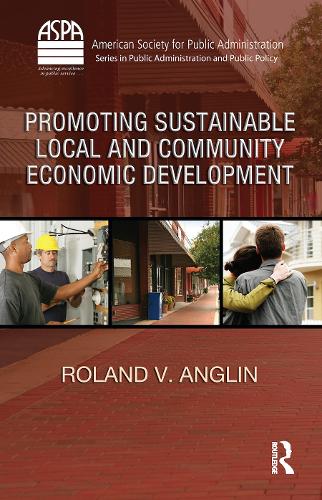
Promoting Sustainable Local and Community Economic Development
Categories:
Language:
Engleza
Publishing Date:
2010
Publisher:
Page Count:
301
ISBN:
9781420088106
32000
Next Day Delivery!
Limited
Price applicable only to online purchases!
Free Gift Wrapping!
Free shipping over 150 RON
You can return it in 14 days
You got questions? Contact Us!