
 Vezi mai multe
Winston Churchill called it 'the worst journey in the world'. But was even this telling quote, describing the transportation of military aid to northern Russia during World War II, an understatement?
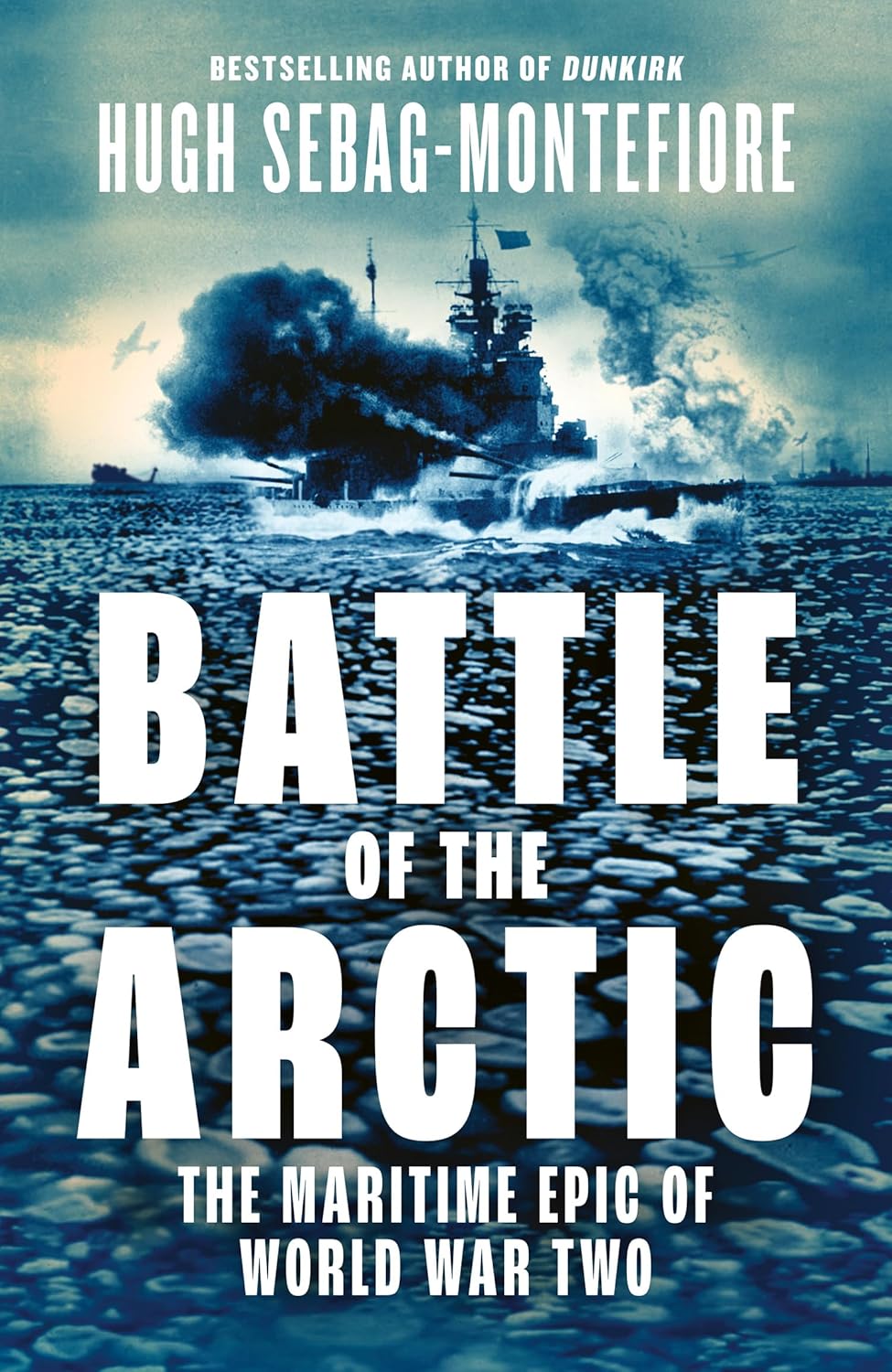
As this book's title - Battle of the Arctic - implies, it tells a unique story. For much of the conflict was complicated by terrific storms, snow, ice, fog, whales, and Arctic mirages, creating an atmosphere similar to Ernest Shackleton's Endurance, David Crane's Scott of the Antarctic, and an Arctic version of Robinson Crusoe.
The action unfolded as Allied naval and merchant seamen, airmen, submariners, and intelligence officers delivered on their countries' promise to take arms to Russia as the Germans hunted them in aircraft, U-boats, and surface fleet spearheaded by Tirpitz and Scharnhorst. When ships were attacked, and went down in seas so cold that a man could die after five minutes of immersion, it triggered events reminiscent of the do-or-die moments during the sinking of the Titanic.