
 See more
The Roman empire tends to be seen as a whole whereas the early middle ages tends to be seen as a collection of regional histories, roughly corresponding to the land-areas of modern nation states. As a result, early medieval history is much more fragmented, and there have been few convincing syntheses of socio-economic change in the post-Roman world since the 1930s. In recent decades, the rise of early medieval archaeology has also transformed our source-base, but this has not been adequately integrated into analyses of documentary history in almost any country.
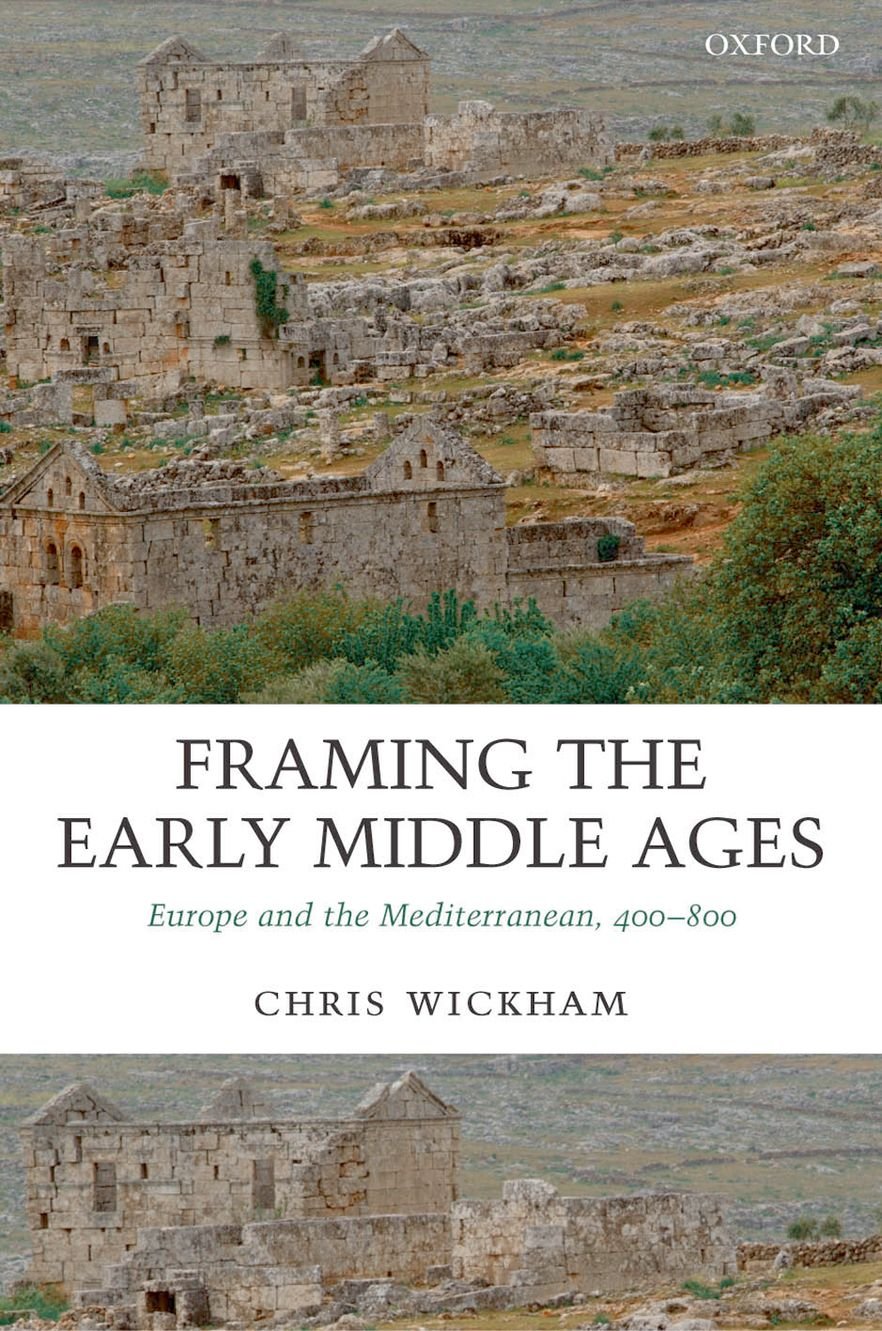
In Framing the Early Middle Ages Chris Wickham combines documentary and archaeological evidence to create a comparative history of the period 400-800. His analysis embraces each of the regions of the late Roman and immediately post-Roman world, from Denmark to Egypt. The book concentrates on classic socio-economic themes, state finance, the wealth and identity of the aristocracy, estate management, peasant society, rural settlement, cities, and exchange. These give only a partial picture of the period, but they frame and explain other developments.
Earlier syntheses have taken the development of a single region as 'typical', with divergent developments presented as exceptions. This book takes all different developments as typical, and aims to construct a synthesis based on a better understanding of difference and the reasons for it.
Categories:
Language:
Engleza
Publishing Date:
2006
Publisher:
Cover Type:
Paperback
Page Count:
1024
ISBN:
9780199212965
Dimensions: l: 15.5cm | H: 23cm
67500
Supplier stock
Delivery in 2 to 3 weeks!
Price applicable only to online purchases!
Free Gift Wrapping!
Free shipping over 150 RON
You can return it in 14 days
You got questions? Contact Us!