
A significant new interpretation of the emergence of Western pictorial realism
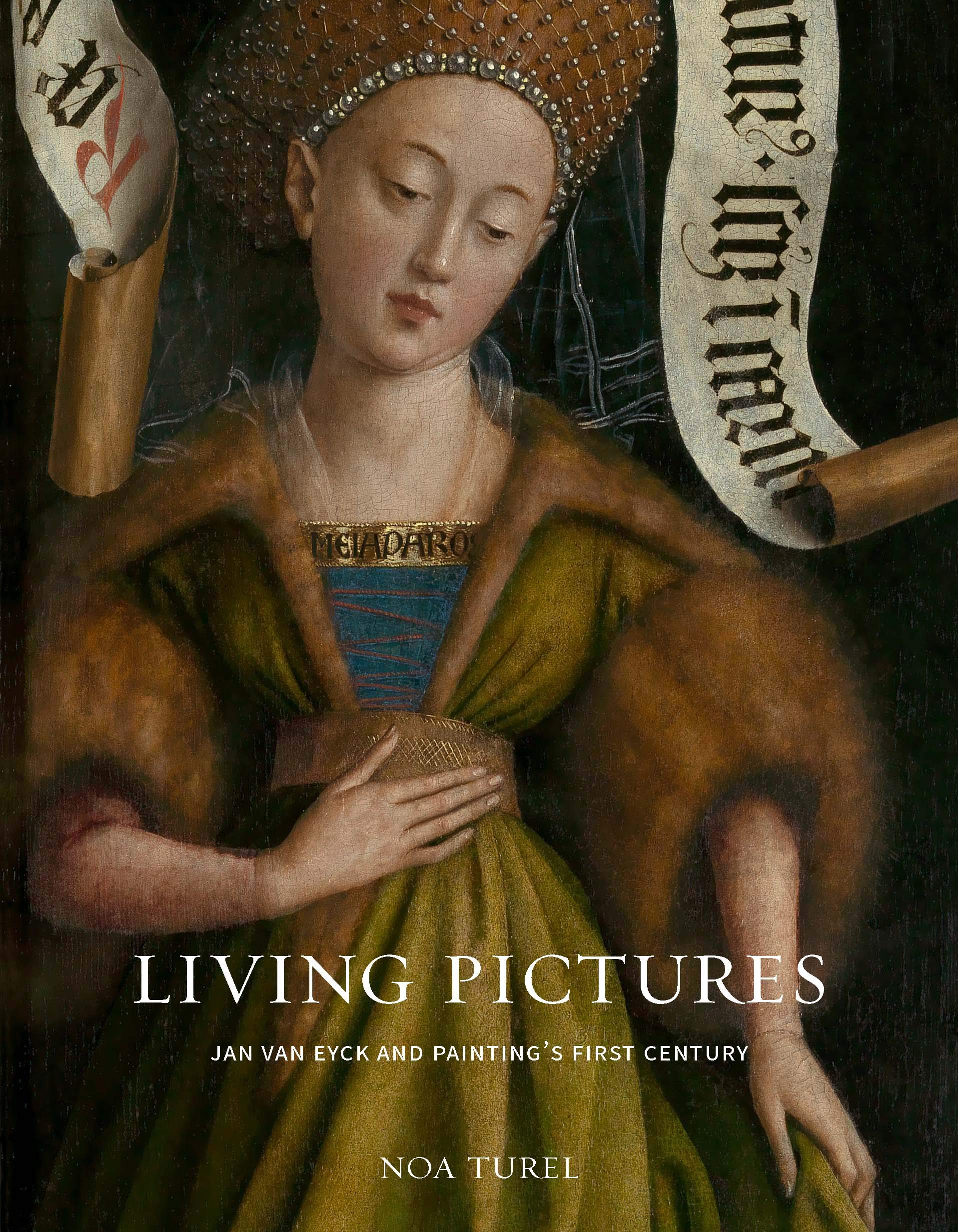
When Jan van Eyck (c. 1390–1441) completed the revolutionary Ghent Altarpiece in 1432, it was unprecedented in European visual culture. His novel visual strategies, including lifelike detail, not only helped make painting the defining medium of Western art, they also ushered in new ways of seeing the world. This highly original book explores Van Eyck’s pivotal work, as well as panels by Rogier van der Weyden and their followers, to understand how viewers came to appreciate a world depicted in two dimensions. Through careful examination of primary documents, Noa Turel reveals that paintings were consistently described as au vif: made not “from life” but “into life.” Animation, not representation, drove Van Eyck and his contemporaries. Turel’s interpretation reverses the commonly held belief that these artists were inspired by the era’s burgeoning empiricism, proposing instead that their “living pictures” helped create the conditions for empiricism. Illustrated with exquisite fifteenth-century paintings, this volume asserts these works’ key role in shaping, rather than simply mirroring, the early modern world.
Language:
Engleza
Publishing Date:
2020
Publisher:
Cover Type:
Hardcover
Page Count:
200
ISBN:
9780300247572
Dimensions: l: 22.3cm | H: 28.2cm
38800
Next Day Delivery!
In stock
Price applicable only to online purchases!
Free Gift Wrapping!
Free shipping over 150 RON
You can return it in 14 days
You got questions? Contact Us!