
Shows how the investigation of local outbreaks of typhoid fever in Victorian Britain led to the emergence of the modern discipline of epidemiology as the leading science of public health Typhoid fever is a food- and water-borne infectious disease that was insidious and omnipresent in Victorian Britain. It was one of the most prolific diseases of the Industrial Revolution. There was a palpable public anxiety aboutthe disease in the Victorian era, no doubt fueled by media coverage of major outbreaks across the nation, but also because Queen Victoria's husband, Prince Albert, died of the disease in 1861. Their son and heir, Prince Albert Edward, contracted and nearly succumbed to typhoid a decade later in 1871. The Filth Disease shows that typhoid was at the center of a number of critical debates about health, science, and governance. Victorian public health reformers, the book argues, working in central and local government, framed typhoid as the most pressing public health problem in order to persuade local officials to implement sanitary infrastructure to prevent the spread of disease. In this period British epidemiologists uncovered how typhoid is spread via food and water supplies, disrupting the longstanding idea that typhoid was spread via filth. In the process the modern disciple of epidemiology emerged as the chief science of public health. Typhoid was as much a social and political problem as it was a scientific one, and The Filth Disease provides a striking reminder of the cultural context in which infectious diseases strike populations and how scientists study them.
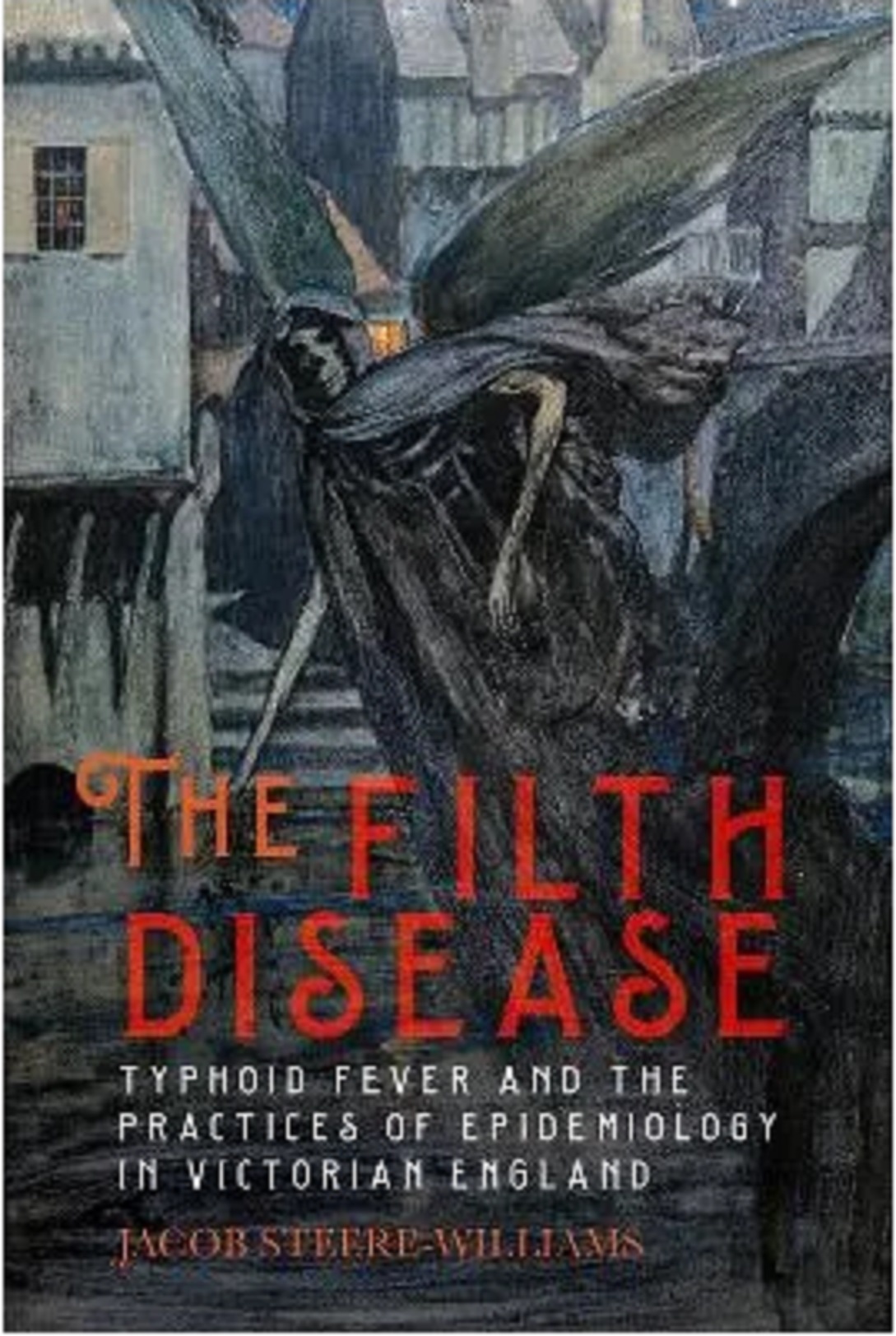
The Filth Disease
Typhoid Fever and the Practices of Epidemiology in Victorian England
Categories:
Language:
Engleza
Publishing Date:
2024
Publisher:
Cover Type:
Paperback
Page Count:
340
Collection:
ISBN:
9781648250811
Dimensions: l: 15.2cm | H: 23cm | 2cm | 488g
Unavailable
Price applicable only to online purchases!
Free Gift Wrapping!
Free shipping over 150 RON
You can return it in 14 days
You got questions? Contact Us!